What Does "Passive" Mean in the Vending Business?
- Low-touch
- not hands-off
- 6
- jobs every machine needs
- Cashless
- means no cash runs
You’ll see vending advertised as “passive income.” It’s closer to say vending is low-touch: the machines sell around the clock without a cashier, but they don’t run themselves. Here’s where the work actually is, and how much of it you can take off your plate.
The work every machine needs
- Finding and keeping locations. Someone has to sign the location, agree terms with the manager, and keep that relationship good.
- Buying product. Wholesale runs, warehouse clubs or distributor orders.
- Restocking. Driving out, loading product, rotating anything with a date on it, and wiping the machine down.
- Cash and payments. Collecting cash and coins on traditional machines, or reconciling card deposits on cashless ones.
- Service. Jams, card readers that go offline, refrigeration issues, and the occasional damaged machine.
- The books. Sales tax, location commissions, permits and your own records.
None of that disappears. What changes is how often you have to do it, and who does it.
What makes it more hands-off
Cashless payments. Card and phone payments go to your bank. No cash to collect or count, no coin mech to jam. A reader like a Nayax VPOS Touch or Cantaloupe Engage adds this to a traditional machine.
Telemetry. A machine that reports its sales tells you what’s running low before you drive out, so you restock the machines that need it instead of checking all of them.
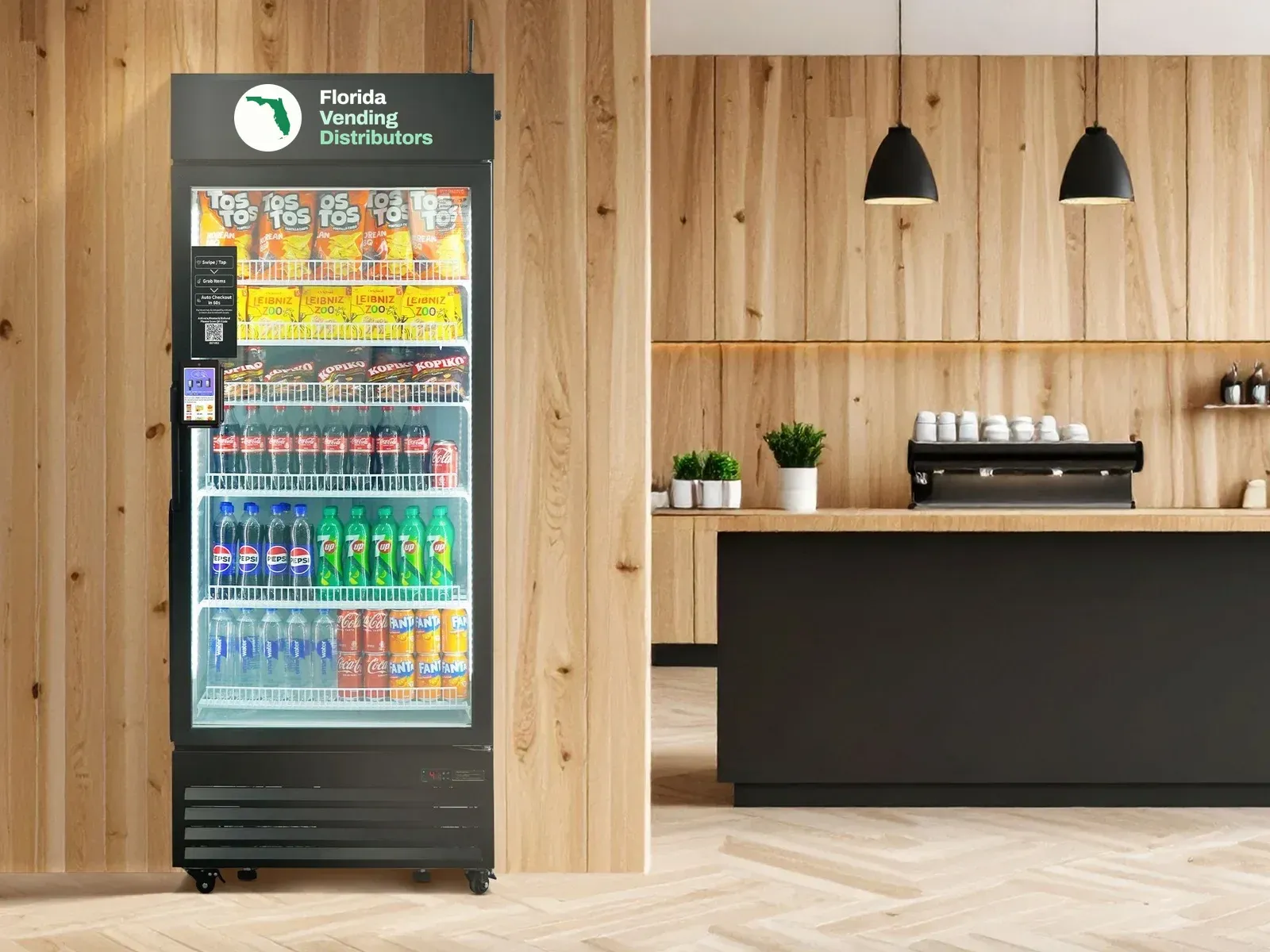
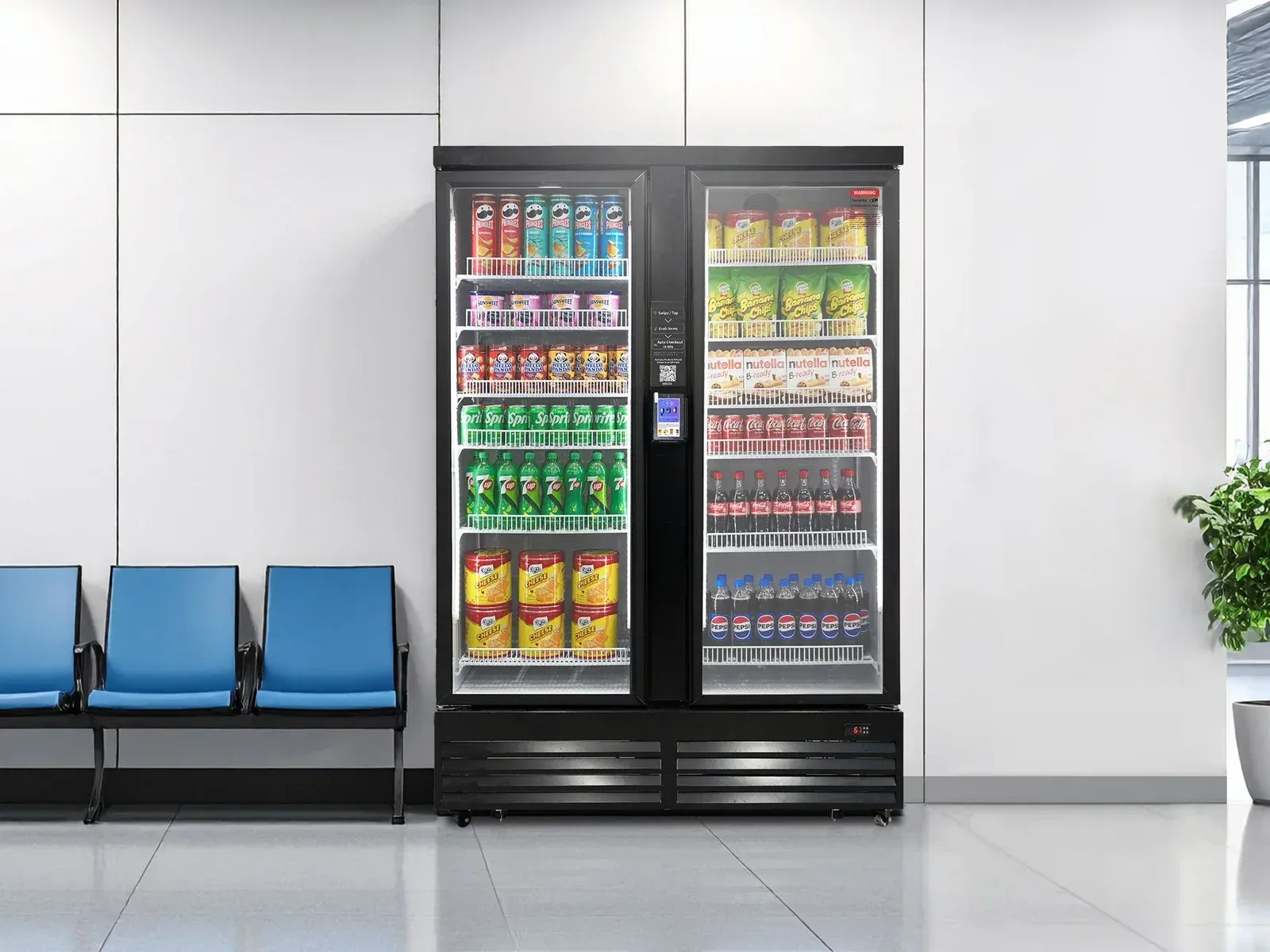
AI smart coolers. No spirals to jam, shelf restocking instead of coil loading, cashless by design and live sales data built in. They cut service calls and wasted trips.
Good locations. A machine in a spot that sells steadily needs fewer decisions than one you keep moving.
Help. Once you have enough machines, a part-time route driver can restock and service them. That’s the point where vending starts to feel passive, and it costs you a share of each machine’s earnings.
The honest version
Vending can be a business you run in a few hours a week, with machines that earn while you’re elsewhere. It isn’t money for nothing, and the first machines take the most work while you learn your locations. Plan for that, use the tools that cut the hours, and grow from there.
Want help picking machines that keep the work down? Talk to a rep, or run the numbers for a location in the payback calculator.